
-
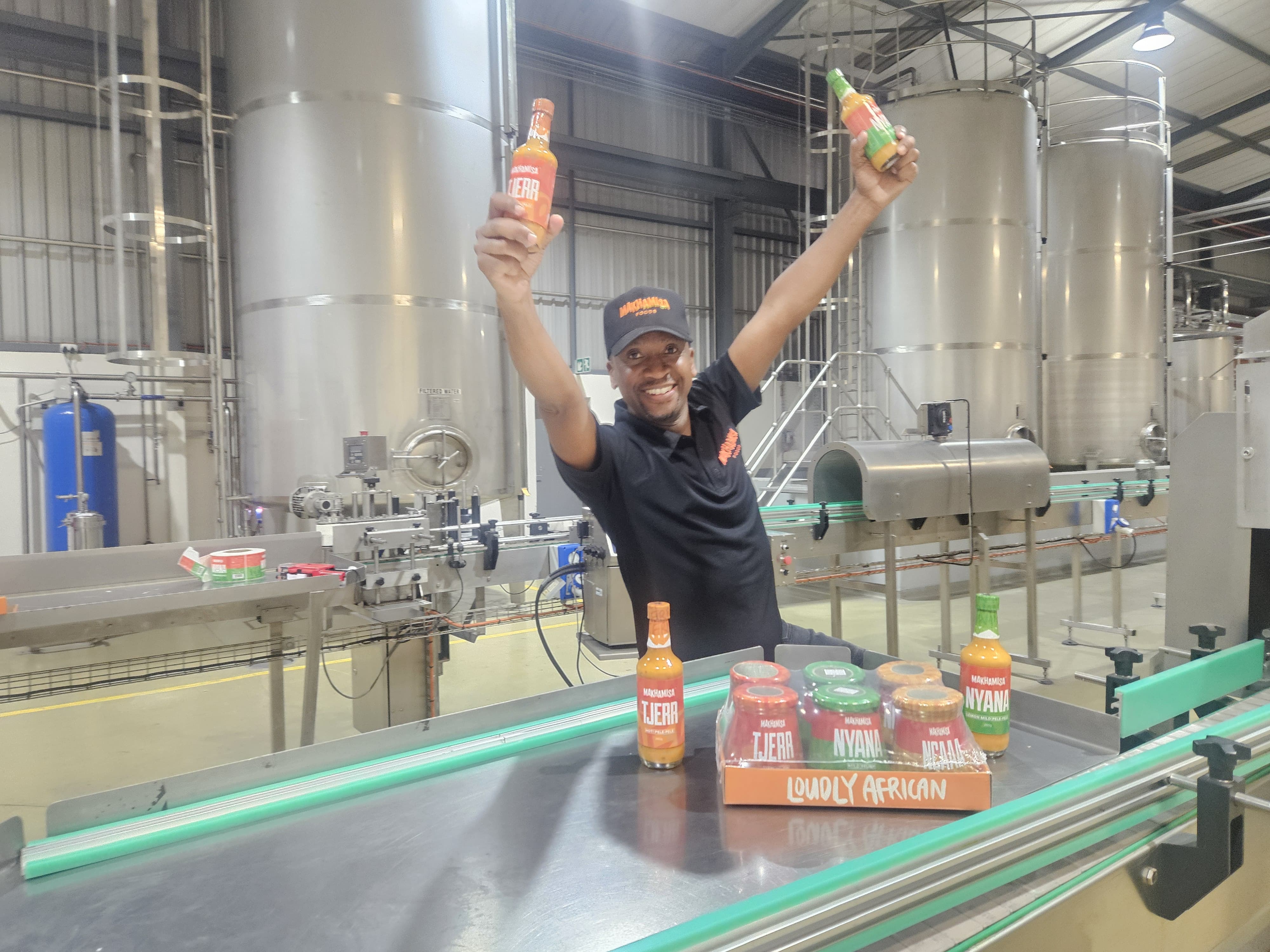 IDC’s refusal to issue commitment letter threats to collapse a relish and sauce company
-
 Anxious Easter moments as fuel price increase
-
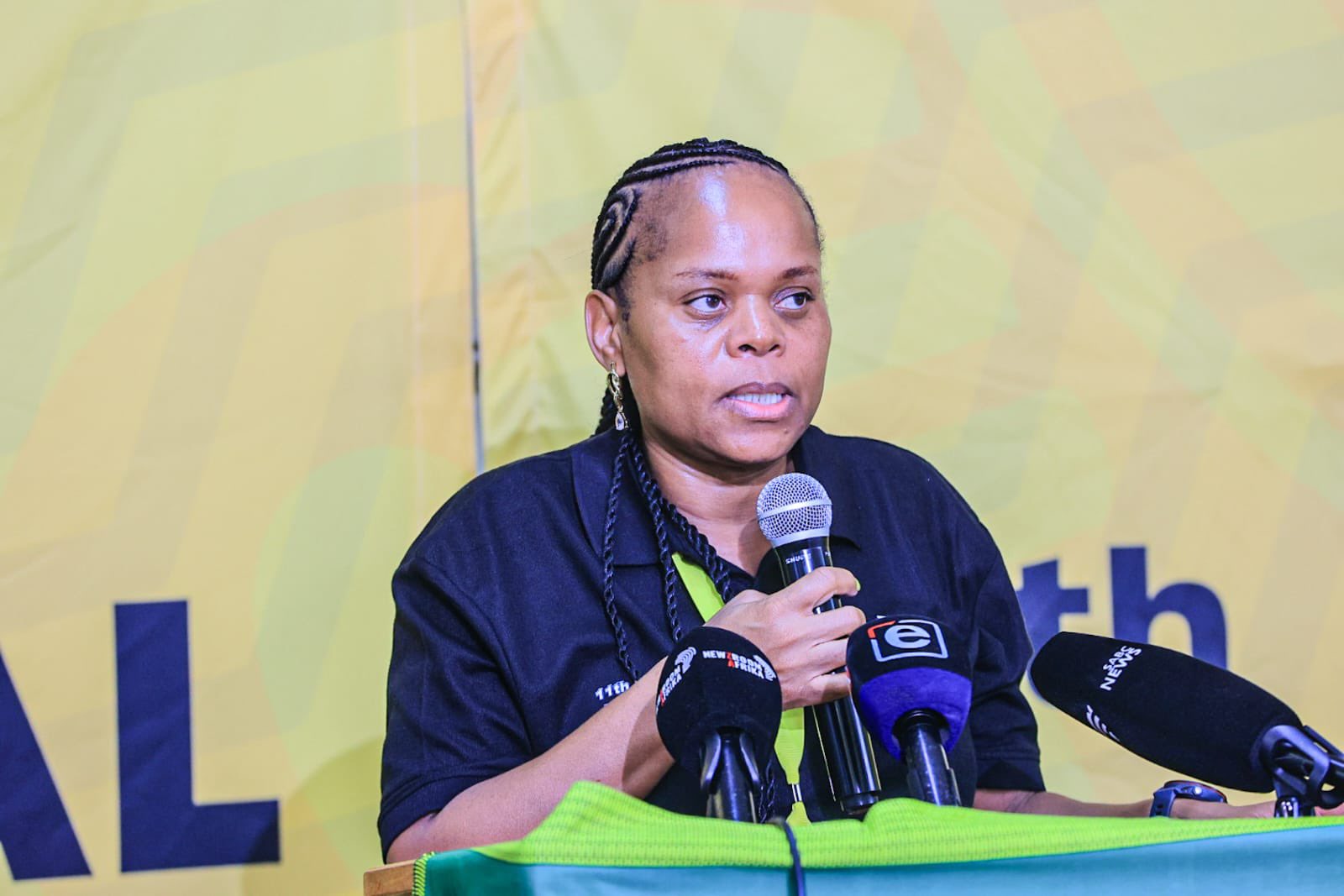 Top five ANC positions in Limpopo and Mpumalanga uncontested
-
 Service delivery failures in municipalities chase away investors - Ramaphosa
-
 Coalition governance gaining acceptance ahead of municipal elections – Ipsos study
-
 Food production’s unintended climate change contribution
-
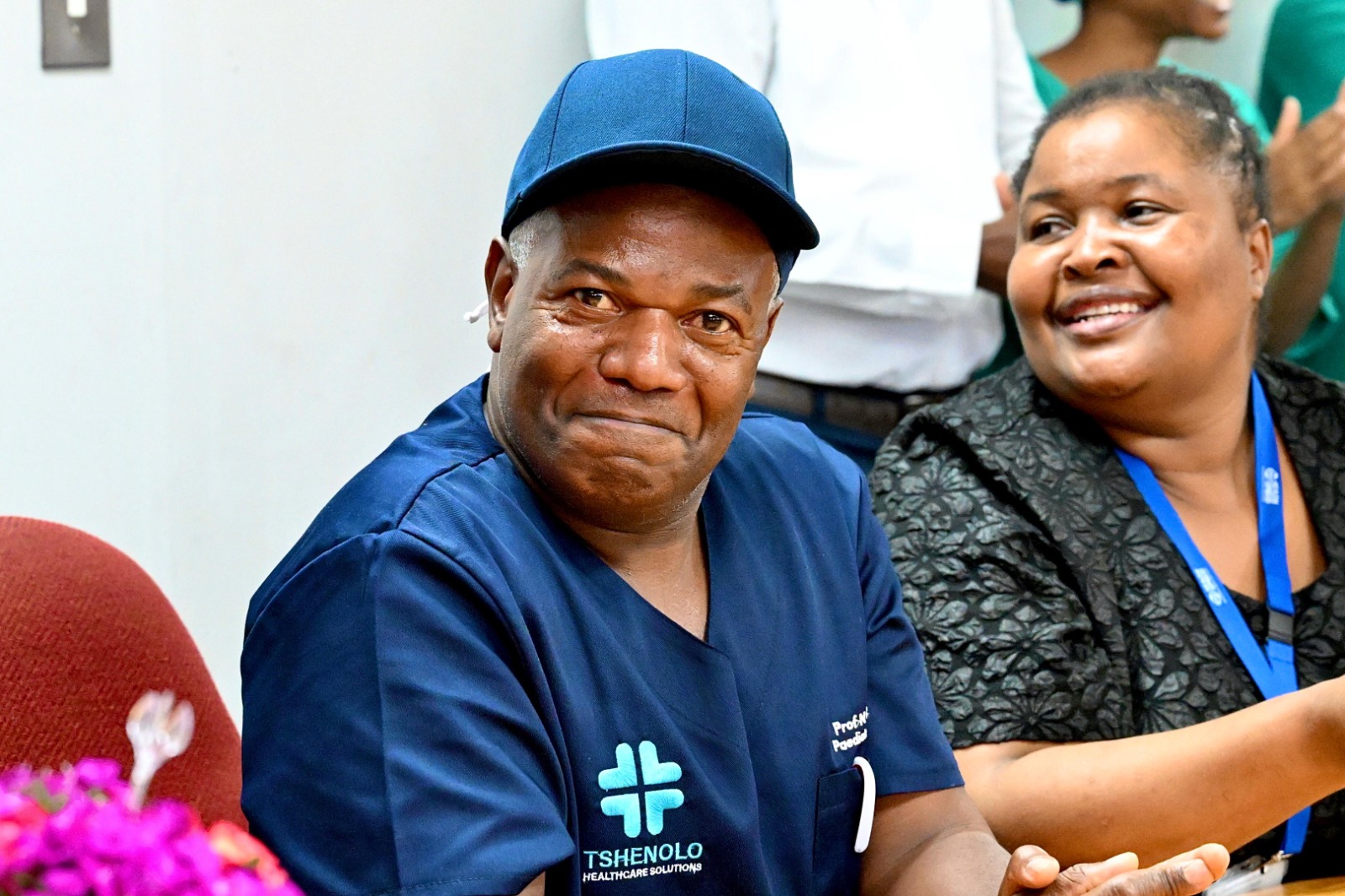 Inside a surgeon’s most defining moment of separating conjoined twins
-
 IDC roasted for being ‘anti-black’
-
 Call for investors and labour to be active in fighting corporate crime
-
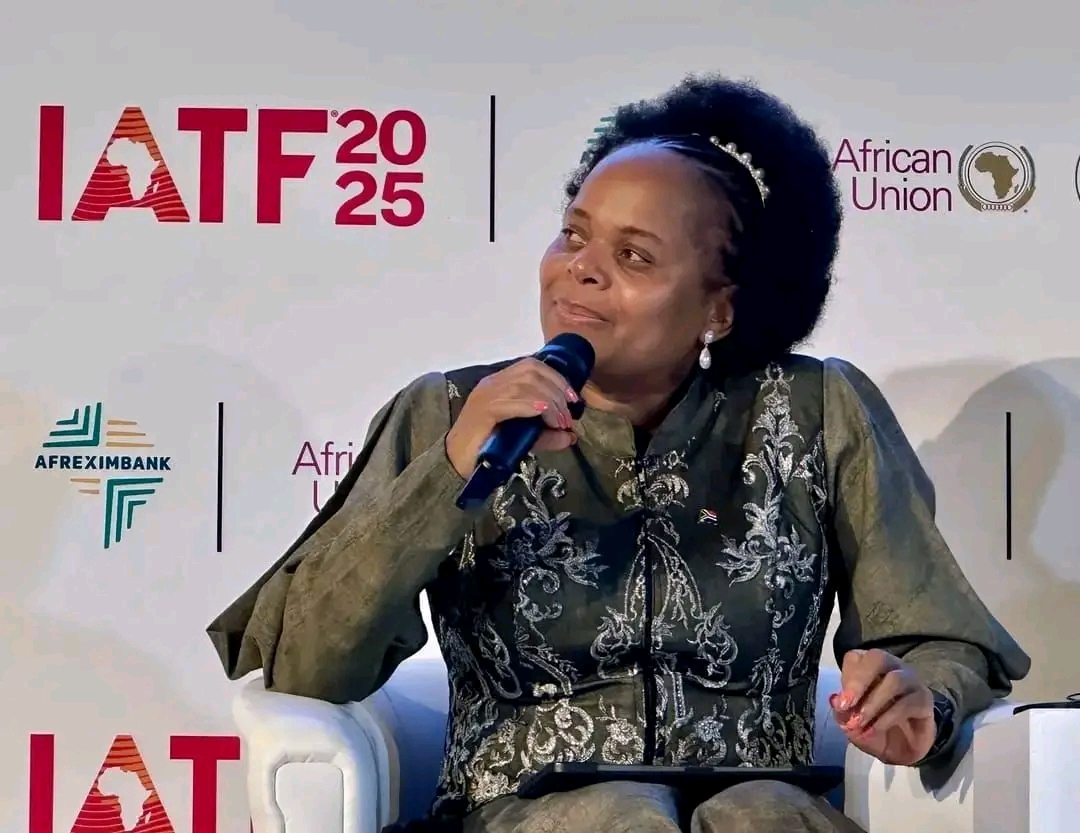 Premier Ramathuba set to lead Limpopo ANC as top five positions unlikely to be contested
Limpopo takes steps to process minerals locally, create more jobs in mining industry

Limpopo premier, Dr Phophi Ramathuba, is aiming for 2.2% annual growth by 2030 as envisaged in the Limpopo Development Plan.
Source: Supplied
Sizwe sama Yende
Limpopo province is getting closer to seeing the results of its bold step to process some of the minerals mined from its ground locally with the establishment of a Mining and Mineral Beneficiation Academy.
Despite mining contributing 30% to the province’s economy, the industry only accounts for three per cent in employment. That is due minerals being ferried out of the province after they have been extracted.
There are 180 mining projects in Limpopo.
The province is known for abundance of the Platinum Group Metals - platinum, palladium, rhodium, iridium, ruthenium, and osmium – which, in mining parlance, are referred to as industrial vitamins that are vital for automotive catalytic converters, medical devices, hydrogen fuel cells, electronics, and jewellery.
Other minerals such as coal, chromium, diamonds, iron ore, copper, vanadium, and vermiculite are also found in the province.
Limpopo premier Dr Phophi Ramathuba said during her State of the Province Address that the academy which will be situated in the Sekhukhune region was on track.
Ramathuba said a high-level technical committee had begun with the designs of the academy. Mining houses, the University of Johannesburg, the Department of Higher Education and the Services Sector Education Training Authority were on board.
“We will leave no stone unturned until it is realised,” she said.
The Mining and Mineral Beneficiation Academy will also focus on artisan training, mineral processing, digital mining skills and local beneficiation to create jobs in the province. Its curriculum will be introduced at the beginning of 2027.
The province’s economy, Ramathuba said, had been growing just below 2% but strides had been made in reducing the poverty rate from 66% in 2015 to 47.6% in 2023 as per Statistics SA’s survey.
Limpopo registered the highest growth rate of 0.9% to the Gross Domestic Product (GDP), and the province became the fourth largest contributor to the GDP at 7.8% in 2024.
Ramathuba said that the growth had been driven by the tertiary sector – finance, trade, personal services and government services. Mining was the only primary sector that showed growth.
“That is why as we look forward to our target of 2.2% annual growth by 2030 as envisaged in the Limpopo Development Plan, we must now expand growth into job-rich and labour intensive sectors: agriculture, mining, manufacturing, construction and emerging sunrise industries such renewable energy and mineral beneficiation,” she said.
Ramathuba reported that the Investment Conference held in October 2025 resulted in 47 pledges amounting to R170 billion in energy, mining, water and public infrastructure.
From the pledges 32 600 permanent jobs and 15 000 temporary jobs were projected.
Ramathuba said that she had directed Economic Develeopment, Environment and Tourism MEC Tshitereke Matibe to engage the investors and remove bottlenecks so that the pledges could translate into jobs.