-
 ‘Manamela must provide proof’ – Ehlanzeni regional commissioner
-
 Arrests in Mohlala case was a charade
-
 Chaos, bitter feud between new and old owners and the collapse of a R35m lodge
-
 Administrator under pressure to fire a lodge manager facing sexual harassment allegations
-
 Former deputy police commissioner manipulating cases in retirement
-
 The rich enjoy life in eco-tourism properties while the land owners languish in poverty
-
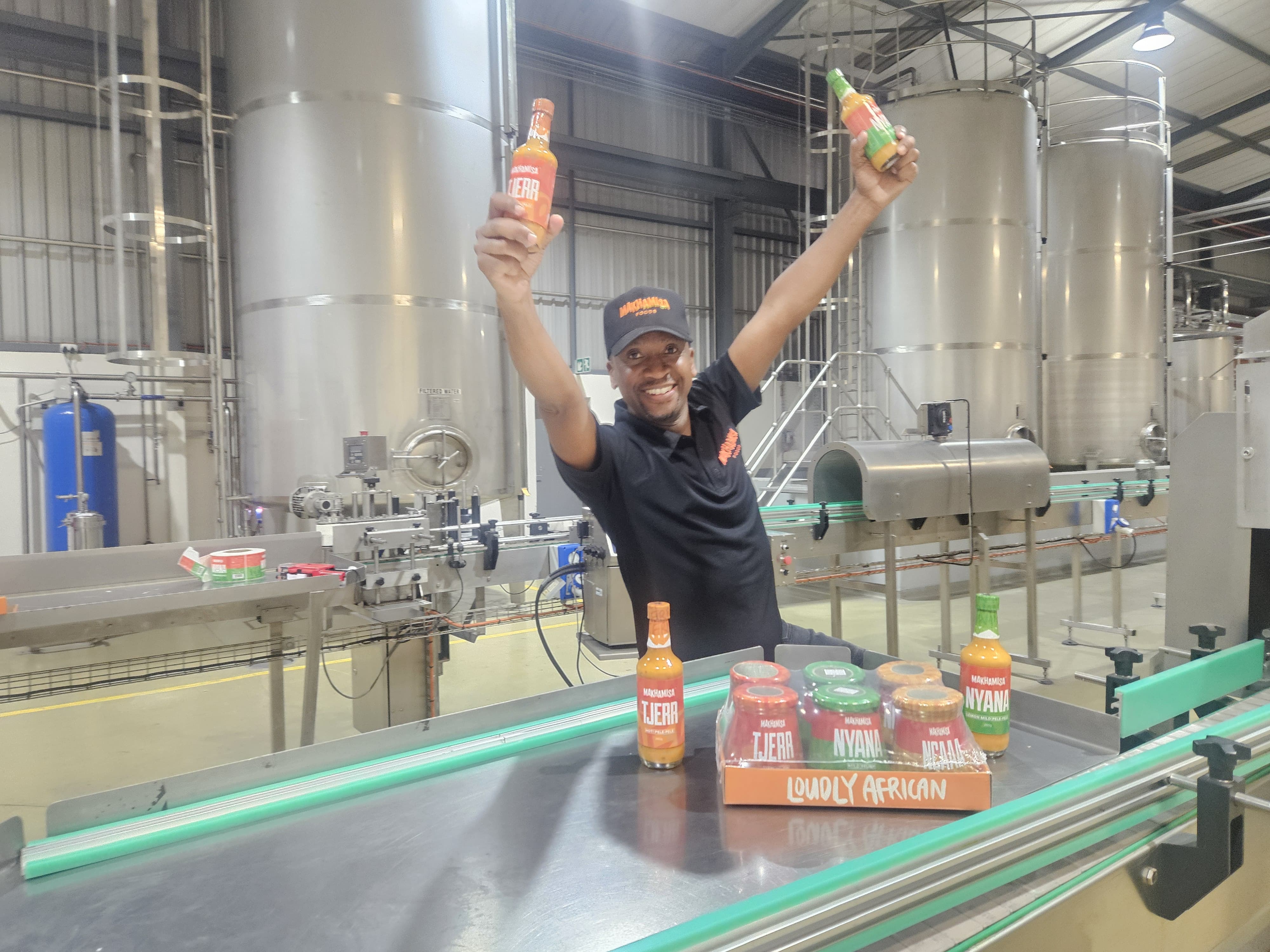 IDC’s refusal to issue commitment letter threats to collapse a relish and sauce company
-
 Anxious Easter moments as fuel price increase
-
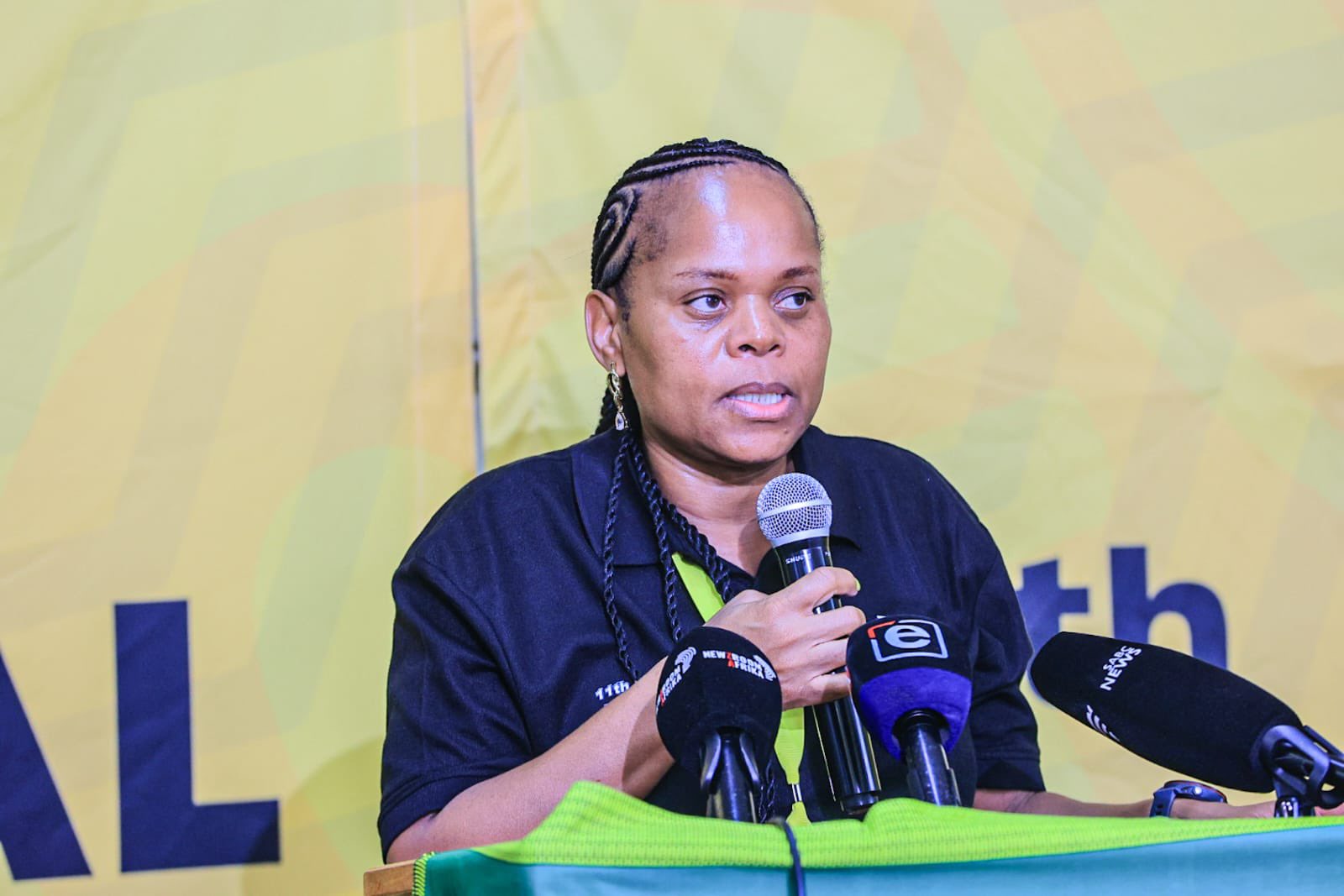 Top five ANC positions in Limpopo and Mpumalanga uncontested
-
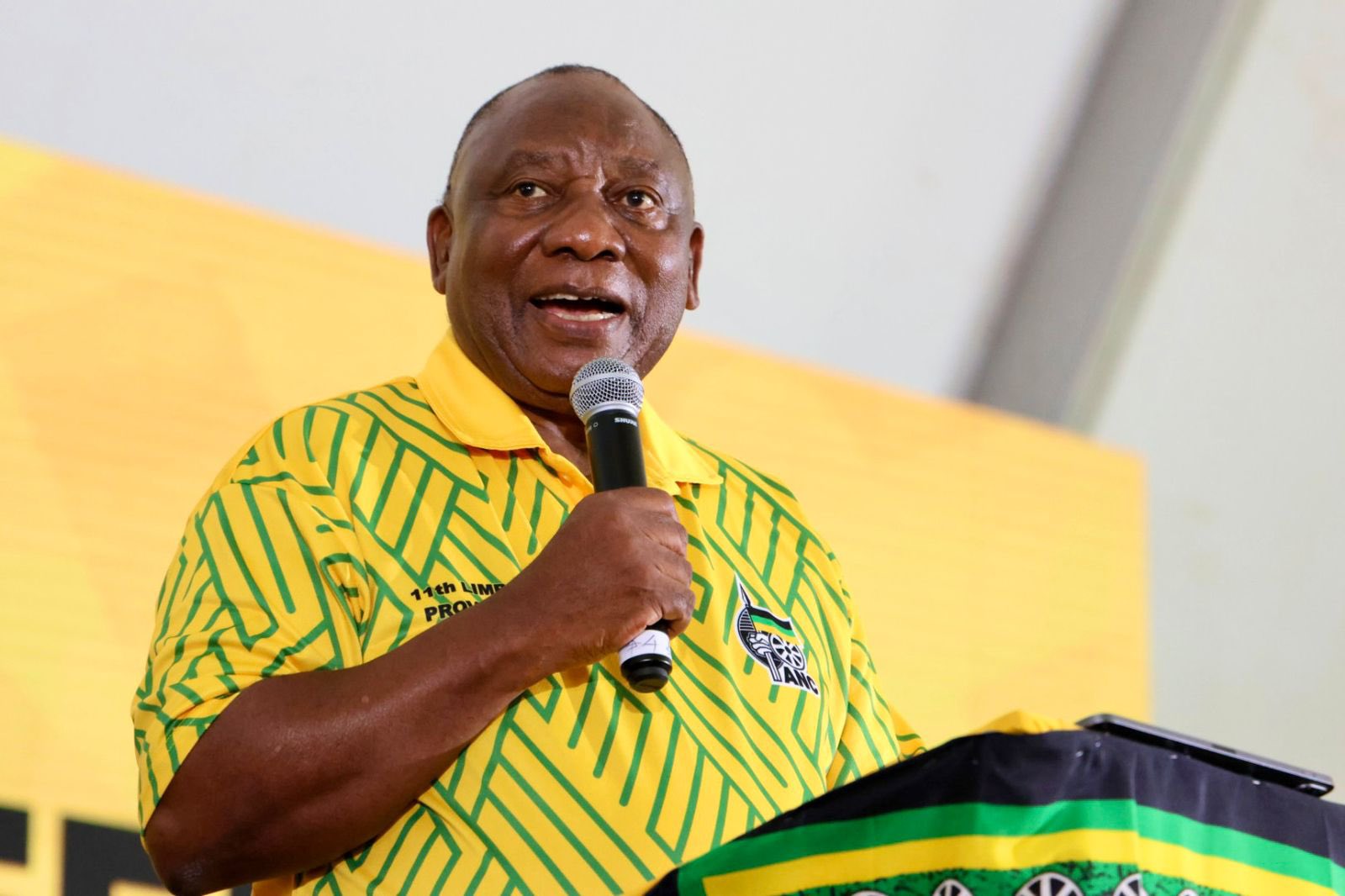 Service delivery failures in municipalities chase away investors - Ramaphosa
Coalition governance gaining acceptance ahead of municipal elections – Ipsos study
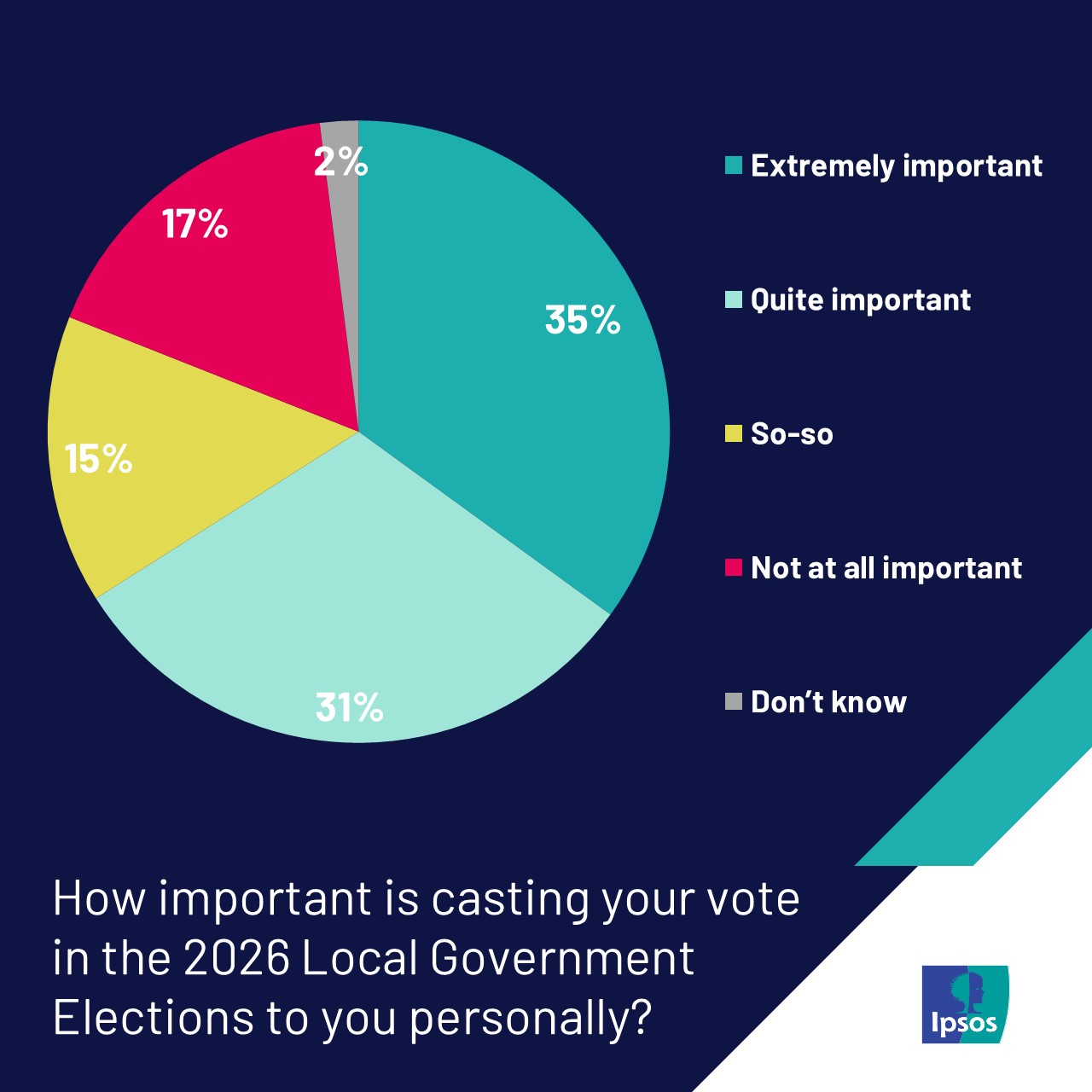
Ipsos has done a study on voters' sentiments before the local government elections expected to take place between November and January 2027.
Source: X
Sizwe sama Yende
Despite 500 parties registered with the IEC, 47% of South Africans say there is no party they identify with that they can vote for.
A research by Ipsos reveals that 61% of eligible voters indicated that they were looking forward to voting even though only 38% believed that their municipalities were doing their job well.
"South Africans are caught between disillusionment and determination," said political analyst at Ipsos South Africa, Mari Harris. "Nearly half feel no party represents them, yet the majority still want to exercise their democratic right. This tension will define the upcoming local government elections."
Ipsos conducts the study twice yearly through face-to-face in-home interviews with 3 600 randomly selected South Africans.
Local government elections are by law required to take place between November 2 and January 31 2007. The national general elections in 2024 produced no outright winner as the ANC obtained 40.18 % - forcing it form a multi-party government, the Government of National Unity (GNU).
Campaigns for the local government elections are in full swing with parties hoping to dislodge the ANC in more municipalities. The 2021 local government elections produced 66 hung councils across the country.
SUPPORT FOR COOPERATION
Ipsos found that there were mixed views on the GNU but the concept of coalition governance was gaining acceptance as 43% of South Africans agreed that the GNU was working well and represented a better form of government than ANC majority rule. However, 27% disagree with this view.
Support for cooperation was notably stronger at local level, the research found, with 63% believing that political parties should work together in municipalities. Only 22% thought otherwise.
"Regardless of how South Africans feel about the GNU nationally, the appetite for cooperation at local government level is clear," Harris said.
"South Africa is a complex country, and many citizens recognise that parties need to work together to deliver services effectively. The upcoming elections may well produce more coalition-led municipalities, and voters seem to be ready for that."
Key findings of the Ipsos study indicate that:
· 38% of eligible voters have no interest in politics;
· 40% of 18-34-year-olds did not trust the IEC;
· 63% believe political parties should work together at local government level; and
· 64% want to vote in the upcoming elections.
CONFUSION FOR VOTERS
Harris said that given the sheer number of choices available to voters, it may seem paradoxical that 47% of South Africans say no party represents their views.
"Too many parties with conflicting messages, focused at winning the support of voters, can create confusion rather than clarity. It's telling that almost half (47%) of South Africans agree that parties with less than 1% national support should be excluded from Parliament. While that question referred to national politics, the same dynamic plays out at local government level, where small parties can become 'kingmakers' without necessarily contributing to stable governance in the municipality, with the result that service delivery invariably suffers," she said.
Harris said that the trend of voter alienation and disengagement has grown stronger over recent election cycles, a pattern clearly visible in IEC-calculated turnout rates, particularly since the 2016 local government elections.
She said it was important to note that these turnout figures were based on the proportion of registered voters who participate, not the total eligible voting population.
"When you look at the proportion of eligible voters who actually participate in elections, the numbers are sobering," Harris said.
"Voter education and inspiration to register to vote cannot be the IEC's responsibility alone. Concerned citizens, community and civic organisations, and political parties all have a civic duty to encourage participation."
YOUTH SCEPTICISM
The research found that young voters - 40% of 18-24-year-olds and 42% of 25-34-year-olds - were more unlikely to trust the IEC.
The distrust was highest in KwaZulu-Natal (58%), Northern Cape (52%), North West (42%), and Limpopo (42%).
Ipsos advises that given population sizes, KwaZulu-Natal and Gauteng, along with metropolitan areas and rural villages, should be focal points for trust-building efforts.
"These findings point to clear priorities for voter education. Young people and certain provinces need targeted engagement if we want to see improved turnout and build confidence in the electoral process," Harris said.