
-
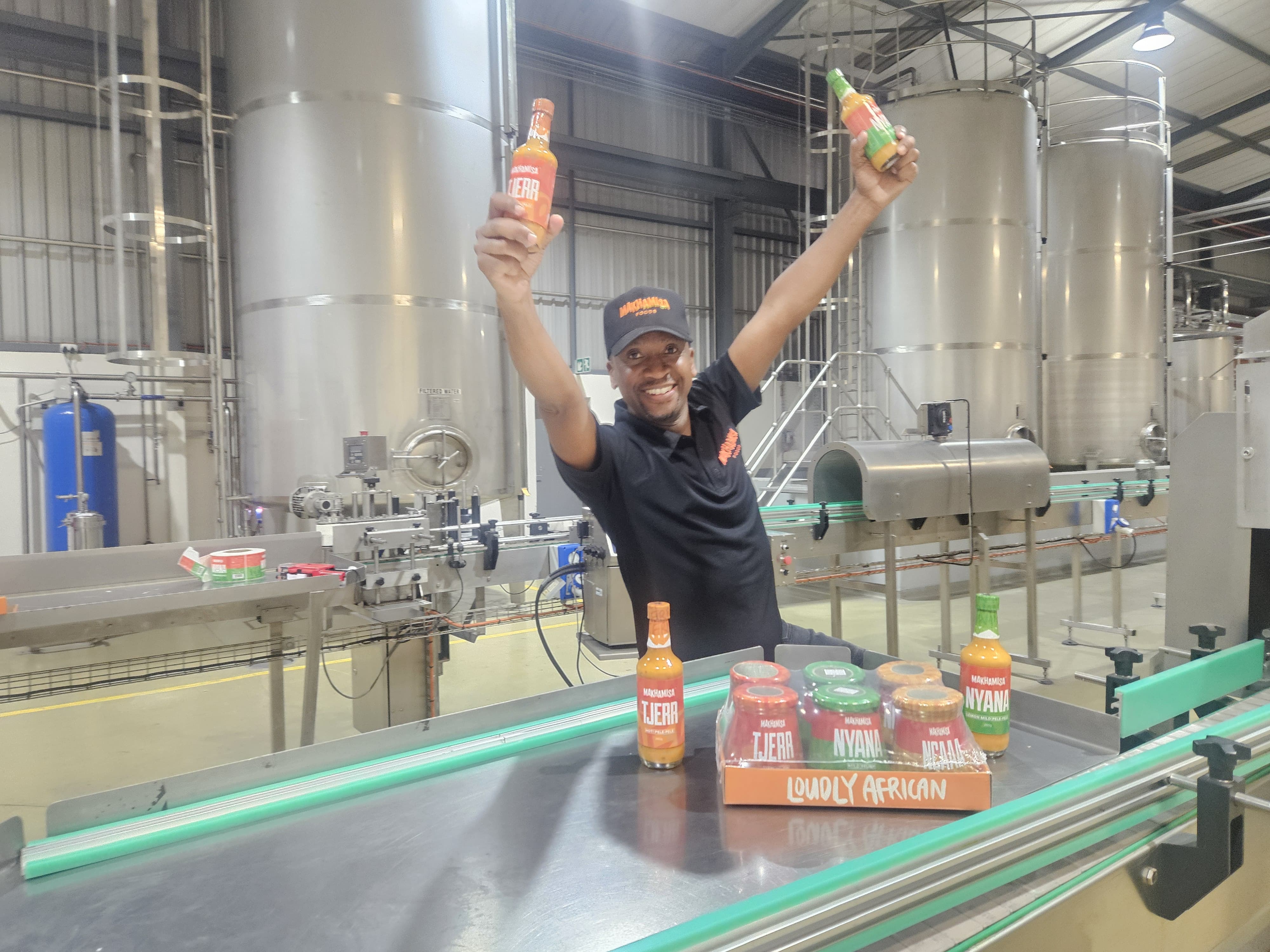 IDC’s refusal to issue commitment letter threats to collapse a relish and sauce company
-
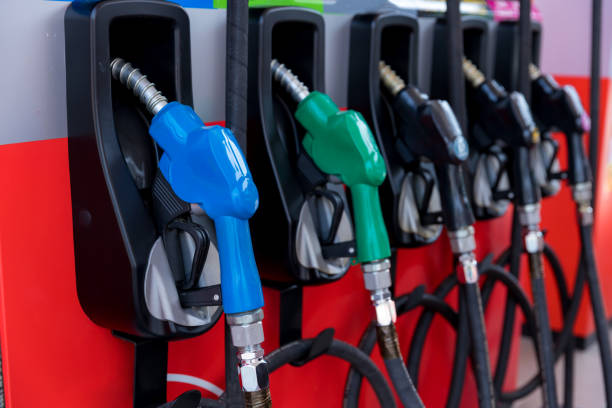 Anxious Easter moments as fuel price increase
-
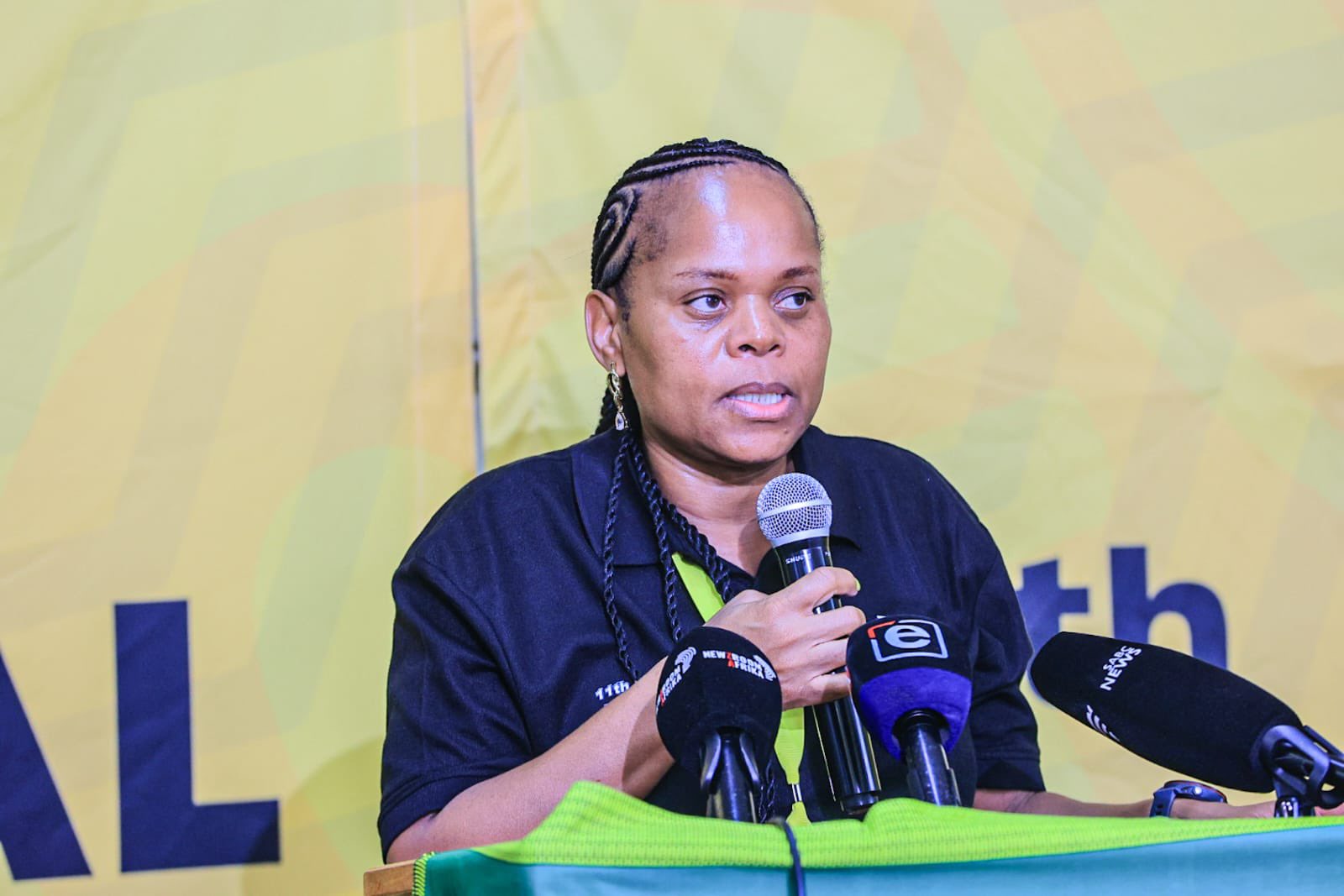 Top five ANC positions in Limpopo and Mpumalanga uncontested
-
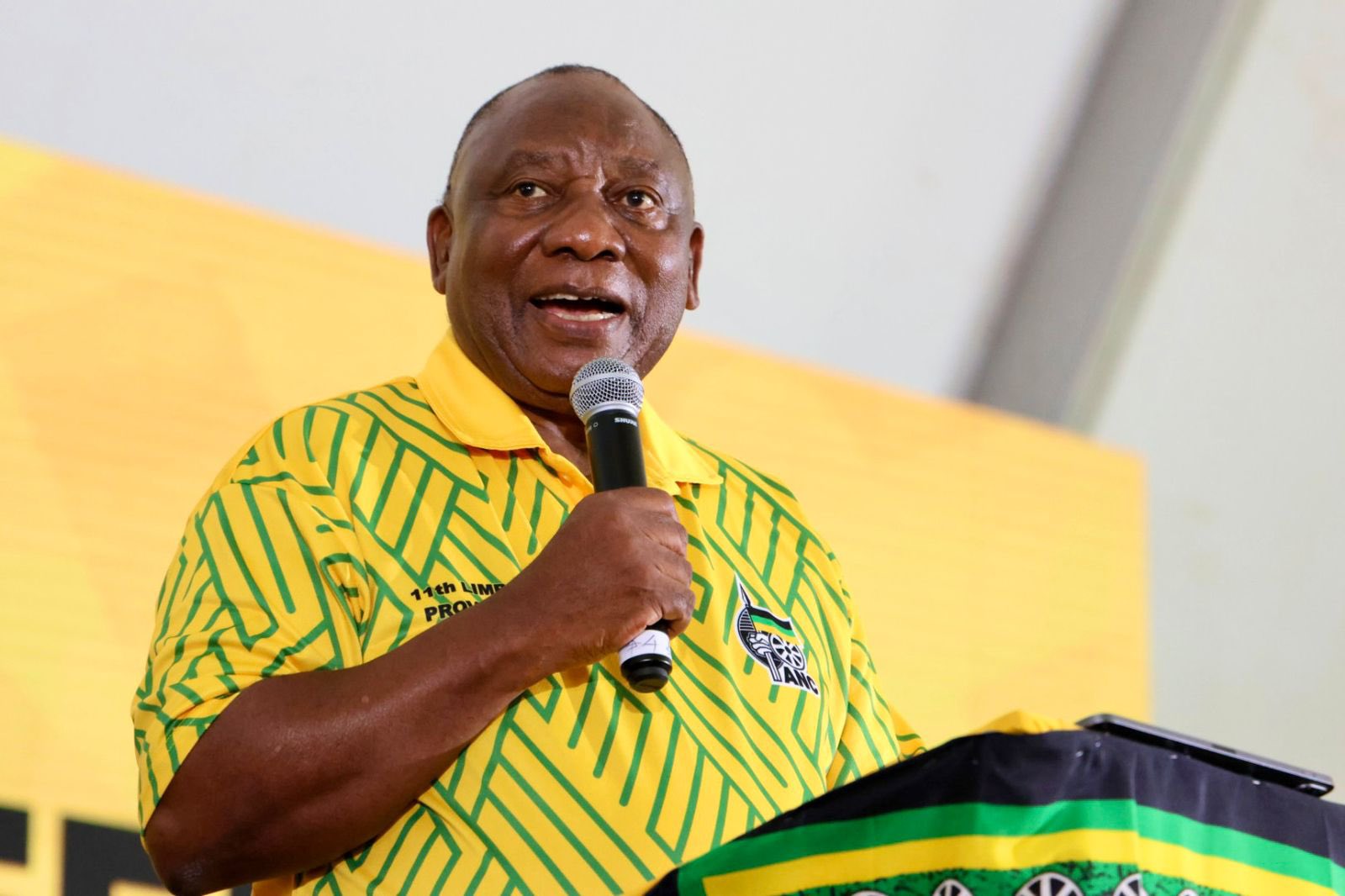 Service delivery failures in municipalities chase away investors - Ramaphosa
-
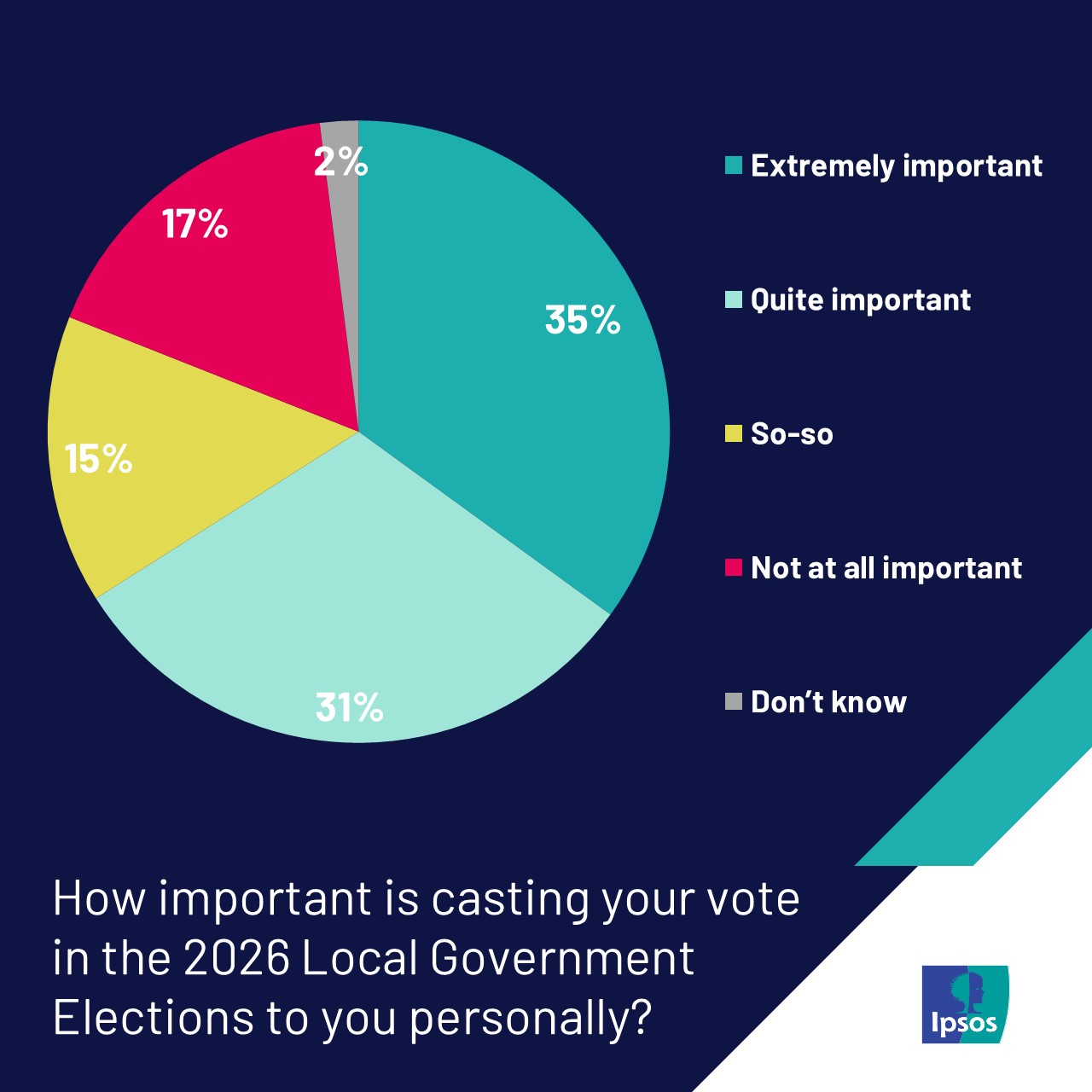 Coalition governance gaining acceptance ahead of municipal elections – Ipsos study
-
 Food production’s unintended climate change contribution
-
 Inside a surgeon’s most defining moment of separating conjoined twins
-
 IDC roasted for being ‘anti-black’
-
 Call for investors and labour to be active in fighting corporate crime
-
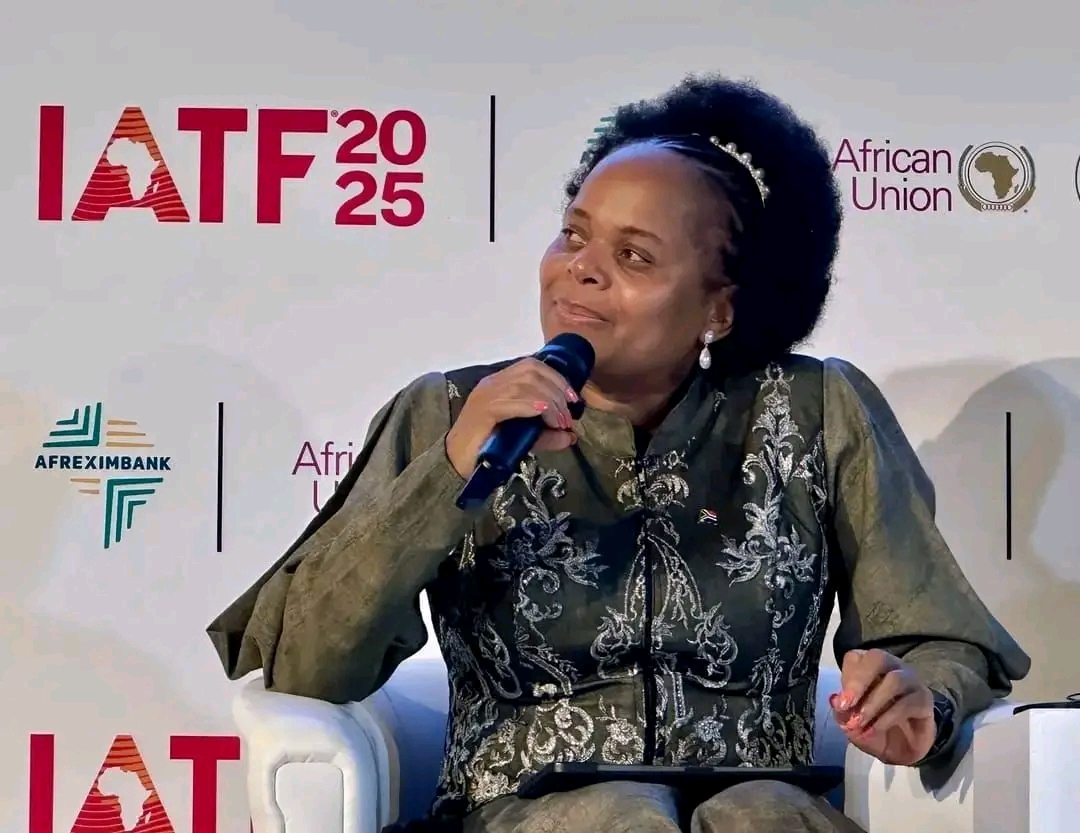 Premier Ramathuba set to lead Limpopo ANC as top five positions unlikely to be contested
Anxious Easter moments as fuel price increase
Sizwe sama Yende
Christians going on their annual pilgrimage on the Easter weekend could be hurt in their pockets should transport companies decide to immediately respond to the expected fuel price hike.
It is not yet clear how soon the minibus taxi industry will react when the inevitable fuel prices increase is implemented on April 1, a few days before the rush to various worship venues throughout the country.
However, pilgrims that will use services of one of the biggest bus companies in the country, Putco, need not worry about increased fares because the company has decided to keep prices as they are – at least until after the holidays.
The US/Israel war against Iran that started towards the end of February is the major driver of petrol and diesel price increases as oil transportation to various parts of the world has been heavily affected.
Even worse for South Africans is the decision by Finance Minister Enoch Godongwana to increase the fuel levy – by 9c for petrol and 8c for diesel. Godongwana increased the Road Accident Fund levy increase by 5c on petrol and 6c on diesel, and the carbon tax increased by 7c for both fuels.
Putco will not increase its prices on the 600 buses that have been already hired by congregants – the majority of which will head north of the country to the headquarters of the Zion Christian Church (ZCC) in Moria outside Polokwane.
ZCC has 12 million members in the southern African region. Forty of the Putco busses were hired by the Universal Church.
Putco spokesperson, Lindokuhle Xulu, said that the company would not increase prices especially on the commissioned buses for Easter trips. “Putco prices remain normal for our commissioned bus hires. They have not changed. Considerations will be made after the anticipated hikes are in place,” Xulu said.
He said that the company would act responsibly and take decisions once fuel adjustments had been made. “There are obviously considerations on how the looming hike will affect the company and our passengers,” Xulu said.
The South African National Taxi Council (Santaco), which is the biggest body in the country with 1 200 taxi associations under its umbrella that operate 350 000 minibus taxis, has left the decision of whether to increase prices or not in the hands of the individual associations because they “have first-hand experience of the dynamics of the routes they operate.”
Santaco spokesperson, Rebecca Phala, said the council would give some guidance on how associations should determine fare increases.
“The taxi industry is currently closely monitoring the news around possible fuel hikes. If the projected numbers of anything above R3 per litre were to be truthful, associations will certainly consider hikes. These hikes will be communicated with respective taxi commuters of a service offered by a particular association on a particular route,” Phala said.
“For these reasons, we would not from a national perspective and give an exact idea of an increase because the circumstances will always differ,” she added.
According to data from the Central Energy Fund, the price of 95 petrol is set to increase to about R25.71 a litre and 93 petrol will be R25.29/l. These are increases of between R4.30 to and R5.41 per litre from current prices.
Diesel is set to increase to R27.44 a litre.
The ripple effect of these increases will drive up food prices because 80% of South Africa’s freight is ferried by road.
Cosatu has called on government to suspend or lower the fuel levy and taxes for the duration of the Middle East war. The union has lauded the South African Reserve Bank (SARB) for not increasing the repo rate despite inflationary pressures due to the pending fuel price hikes.
SARB has left the repo rate at 6.75% and the prime lending rate at 10.25%.